Custom Vehicle Graphics in Summerville, SC: Lettering, Partial Wraps and Full Wraps Compared
Wrapstar blog · October 13, 2026
Most people searching custom vehicle graphics Summerville SC are not asking for a full wrap. They want the business name, phone number and logo on a work vehicle, and they want to know which version of that job they actually need. Three options cover almost every request: cut vinyl lettering and decals, a partial wrap, or a full wrap. They differ in how much of the vehicle gets covered, how much design work happens before anything is printed, and how many hours the install takes.
What Vehicle Graphics Covers
Graphics is the umbrella word for any printed or cut vinyl applied to a vehicle. Shops split it into three tiers:
- Vinyl lettering and decals — letters, numbers and logo shapes cut from solid-color vinyl and applied straight onto the paint. No printed background.
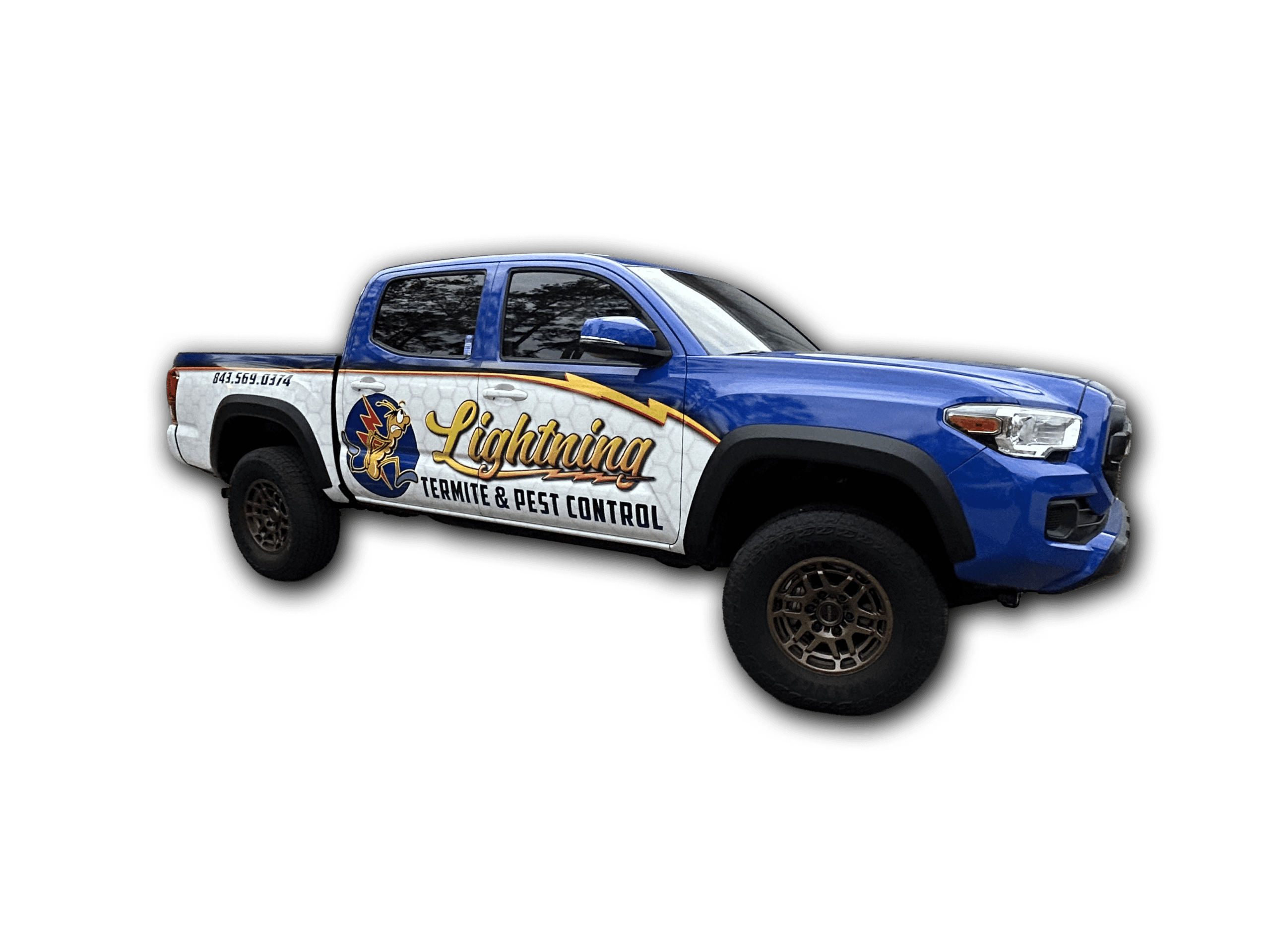
- Partial wrap — printed panels over part of the vehicle, usually the sides and rear doors, with the factory color left showing as part of the design.
- Full wrap — film across every painted panel, bumper to bumper, so the original color disappears.
Those terms get used loosely, so compare coverage before you compare anything else. A partial covering two door panels and a partial running the length of a cargo van are not the same job. If you are still shortlisting shops, Wrapstar has a checklist on what to check before choosing a wrap shop near Ladson, and a longer breakdown of partial and full wraps side by side.
Vinyl Lettering and Decals: Least Material, Most Discipline
Cut lettering is the entry point, and for a lot of one-truck businesses it is the right answer. A clean logo, a phone number and a web address on both doors read at a stoplight about as well as a full wrap does. White vinyl on a dark truck, dark vinyl on a white van: that is most of the job.
Where lettering runs out of room is detail. Gradients, photographs and textured backgrounds either get simplified into flat shapes or they get printed, and once you are printing, you are into decal or wrap territory. If your logo survives being reduced to two or three solid colors, commercial vinyl lettering is usually the most efficient way to put a vehicle to work.
Partial Wraps: Most of the Visibility, Less of the Vehicle
A partial wrap is the middle option and, for a lot of Summerville service businesses, the practical one. Printed panels go where people actually look — the side doors and lower body, the rear doors or tailgate — and the factory color is worked into the design instead of hidden under it.
Partials earn their keep when a logo has photographic or gradient elements, when several vehicles need to look like one fleet without covering every square inch, or when a leased vehicle should keep more of its original finish. A printed color block behind small text also makes a phone number legible on a busy paint job.
The tradeoff is where the vinyl stops. A partial that ends on an arbitrary line looks unfinished; a good one ends on a body line, a door edge or a deliberate angle. The commercial vehicle wraps gallery shows how those stopping points change from a pickup to a cargo van to a box truck.
Full Wraps: When Covering Everything Is the Right Call
A full wrap earns its place when the design needs the whole vehicle: an image that runs across panels, a brand color the vehicle never came in, or a box truck working as a moving billboard on I-26. Across the area it covers, the film also sits between the factory paint and the weather, which matters on a vehicle you plan to resell.
Full wraps take the longest to install because every panel, bumper, handle and mirror has to be wrapped and tucked. That labor, more than the film itself, is what separates a full wrap from a partial on a quote.
What Drives the Cost of Custom Vehicle Graphics in Summerville, SC
No shop can price graphics from a phone call alone, and a flat number offered before anyone has seen the vehicle is a guess. These factors move a real quote:
- Coverage area — square footage of cut or printed film, which is why a high-roof van is not a sedan.
- Vehicle shape — deep recesses, corrugated box-truck sides and heavy body lines all add install hours.
- Design time — a print-ready logo file moves fast; rebuilding artwork from a business card does not.
- Existing vinyl — old lettering or an old wrap has to come off first, and adhesive removal takes the hours it takes.
- Film choice — matte, satin, chrome and textured films cost more than standard gloss and behave differently during install.
That is why Wrapstar asks for photos of all four sides, the year, make and model, the length if it is a trailer, and whether anything is on the vehicle now. The same drivers are unpacked in the guide to what shapes a vehicle wrap quote. If you are adding a storefront or yard sign, sign installation in Summerville runs on its own set of variables — site survey, permits and mounting surface.
What the Vehicle’s Condition Decides for You
Vinyl bonds to a sound surface. It does not repair a bad one. Wrapstar does not install over an existing wrap, over active rust, or over paint that is flaking or peeling, because new film follows every flaw underneath and lifts wherever the surface is already failing. Old graphics come off first, and corrosion or failing paint belongs at a body shop before any film goes on.
Repainted panels matter too. Fresh paint needs time to cure before it is wrapped, and a panel resprayed with an unknown product may not hold adhesive the way a factory finish does. Photograph anything that looks repaired and say so up front.
Keep Required Markings Legible on Work Trucks and Trailers
If your vehicle or trailer carries DOT numbers, a USDOT identifier, a contractor license number or any other marking you are required to display, those stay legible after the graphics go on. They are not decoration to be screened back, tucked behind a logo or shrunk until they vanish at highway speed.
In practice that means laying out required text on a clean background at full size and approving placement before the file goes to print. Moving a logo in the design stage costs nothing; reprinting a wrapped door costs a panel and a day.
How to Get a Real Answer for Your Vehicle
Choose by what your logo needs and what the vehicle does, not by which word sounds cheapest. A two-color logo on a clean white van is a lettering job. A photo-heavy brand on a dark truck is a partial. A trailer meant to be read from the next lane is a full wrap.
When you are ready, send your vehicle photos to Wrapstar — all four sides, plus the year, make, model, and a note about any vinyl already on it. That is enough to come back with a real scope. Once the graphics are on, keeping vinyl clean in salt air and humidity is what decides how many seasons you get out of them.
Frequently asked questions
Is a partial wrap cheaper than vinyl lettering?
Usually not. Cut lettering uses the least material and the least install time, so on the same vehicle it tends to sit below a partial wrap. A partial becomes the better value when your design needs printed color, photos or gradients that cut vinyl cannot reproduce, since the alternative is a full wrap. The only fair comparison is both options scoped against the same artwork and the same vehicle.
How long does it take to install custom vehicle graphics?
It depends on coverage and how much of the vehicle has to come apart. Cut lettering is quickest, because nothing is printed and little hardware is removed. A full wrap on a van or box truck takes considerably longer, since handles, mirrors and trim come off and go back on. Ask for the install window in writing when you approve the design, and plan for the vehicle to be out of service for it.
Will vehicle graphics damage my paint?
Quality vinyl applied to sound factory paint and removed properly generally comes off without taking the finish with it. The risk sits with surfaces that were already compromised: an aftermarket respray, failing clear coat, or paint with rust working underneath. That is why a shop inspects the panels first and declines anything already lifting. Tell the installer about any repainted panel before the job is scheduled.
Can you put new graphics over an existing wrap?
No. Wrapstar does not install film over an existing wrap. Vinyl applied on top of vinyl loses its bond to the vehicle, telegraphs every seam and edge below it, and makes later removal harder on the paint. The old film and its adhesive come off first, which is its own line of labor on the quote and one reason photos of the vehicle as it stands today matter.
Do vehicle graphics work on trailers as well as trucks?
Yes, and enclosed trailers are among the most efficient surfaces to print, because they are large, flat and usually parked where people can read them. The things to check are panel construction, since corrugated and riveted sides need different handling than a smooth skin, and your required markings. Any DOT number or identifier the trailer must display stays legible in the finished design.
Ready to turn heads?
Free quote and design consult. Tell us what you’re wrapping and we’ll come back with options and pricing.
- Free design consult
- Financing available
- 3M-certified install
- Printed in-house
Loading the quote form… or call (843) 261-9727