
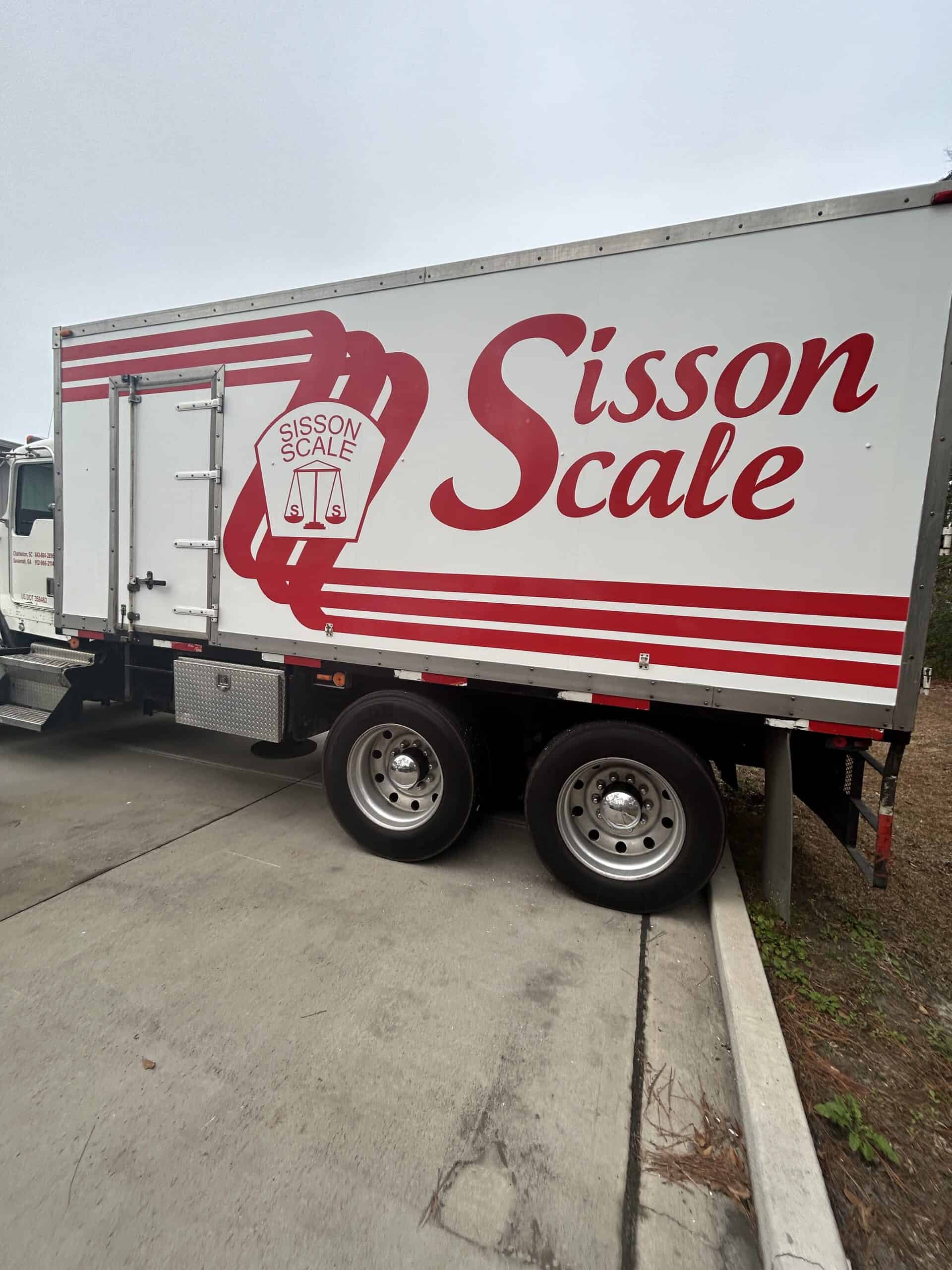
Box Truck vs Sprinter Van Wraps in Charleston: Which Fits Your Fleet?
Wrapstar blog · May 18, 2026
Box trucks deliver roughly 3–4x the brand surface area of a sprinter van — meaning more visibility per dollar of wrap — but cost 50–80% more to wrap because of the larger panel count. Sprinter vans cost less per wrap, fit residential streets and tight Charleston peninsula traffic better, and resell easier when retired. For most Charleston-area delivery and trade fleets, the choice between box truck and sprinter van wraps comes down to whether you’re optimizing for maximum brand impressions per route (box truck wins) or per-vehicle versatility and lower wrap investment (sprinter van wins). Wrapstar wraps both — and below is the breakdown that helps fleet operators pick the right vehicle.
What’s the actual brand surface area difference?
The numbers vary by exact model, but typical surface area for wrap purposes:
- Mercedes Sprinter 144 (mid-roof): ~280–320 sq ft of wrappable surface
- Mercedes Sprinter 170 (high-roof extended): ~360–400 sq ft
- Ford Transit Extended high-roof: ~340–380 sq ft
- Ram ProMaster 159 high-roof: ~330–370 sq ft
- 16′ box truck: ~700–800 sq ft
- 20′ box truck: ~850–950 sq ft
- 24′ box truck: ~1,000–1,100 sq ft
- 26′ box truck: ~1,100–1,200 sq ft
A 20-foot box truck has roughly 3x the wrap surface of a Sprinter 144. That’s 3x the panel space for messaging, but also 3x the printing material and roughly 2x the install labor.
What does each cost to wrap in Charleston?
- Sprinter 144 / Transit / ProMaster: $4,500–$6,000 full wrap
- Sprinter 170 / Transit Extended: $5,500–$7,500 full wrap
- 16′ box truck: $6,500–$8,500 full wrap
- 20′ box truck: $8,500–$11,000 full wrap
- 24’–26′ box truck: $11,000–$14,500 full wrap
The cost-per-square-foot of wrap drops as vehicle size grows — install labor doesn’t scale linearly with panel size, so the per-foot economics favor larger vehicles. That said, the absolute dollar commitment is meaningfully higher for box trucks.
When does a box truck wrap make more sense?
Box trucks dominate when:
- Routes include highways and arterial roads. Box truck height puts the wrap above sedan window line — they’re visible across multiple lanes of traffic in a way smaller vans aren’t.
- You’re optimizing for total brand impressions. A box truck running East Bay and Highway 17 generates 100,000+ daily impressions in summer traffic.
- You have static delivery time at retail. Box trucks docked at grocery stores, big-box retailers, or restaurants spend hours parked in high-foot-traffic spots — the wrap doubles as a sustained billboard.
- You serve B2B clients. Wrapped box trucks read as more established than wrapped vans for commercial accounts.
When does a sprinter van wrap make more sense?
Sprinter vans (and similar Class 2 cargo vans) dominate when:
- Routes are residential. Box trucks can’t navigate downtown Charleston peninsula streets, the bridge corridor, or tight residential turn-arounds in Old Village or West Ashley. Vans go anywhere a passenger SUV goes.
- You’re stopping at customer homes for hours. HVAC, plumbing, locksmith, appliance install — these jobs put the vehicle in front of a single home for the entire workday. Box trucks don’t fit those driveways.
- Budget caps the per-vehicle wrap investment. A $5,500 sprinter wrap is a smaller bet than a $10,000 box truck wrap, especially for a first-time wrap client.
- You’re operating a small fleet (1–4 vehicles). Vans give you flexibility — you can swap routes, park overnight in residential, and resell easily when retired.
What about visibility-per-dollar?
Rough math for Charleston-area routes:
- Sprinter 144 at $5,500 over 5 years = $1,100/year. Daily brand impressions in the Charleston metro: ~30,000–50,000. Cost per 1,000 impressions: roughly $0.07–$0.10.
- 20′ box truck at $9,500 over 5 years = $1,900/year. Daily brand impressions: ~80,000–130,000 (box trucks are taller and visible across more lanes). Cost per 1,000 impressions: roughly $0.04–$0.07.
Box trucks win on impressions-per-dollar in absolute terms. But sprinter vans win on flexibility and resale value, and the per-vehicle commitment is lower.
What about the install timeline?
Sprinter van: 3–5 business days from drop-off to pickup.
Box truck: 4–6 business days (more panel area, more print time, more install labor).
Fleet rollouts run in parallel — we can have 3–4 vehicles in the shop concurrently if your schedule supports it.
Frequently asked questions
Should I match wrap design across box trucks and sprinter vans in the same fleet?
Yes — visual consistency across the fleet reinforces brand recognition. We’ll adapt the design across vehicle sizes while keeping the core elements (logo, primary color, phone number) identical. Our design team handles the vehicle-specific adaptations.
How does the box truck height affect maintenance?
Edges are easier to inspect on a box truck because the wrap is at standing height. Washes need a step ladder or extension wand. Otherwise, maintenance is the same — same vinyl, same care guidelines.
Can I wrap a refrigerated box truck (reefer)?
Yes — refrigerated box trucks wrap the same as standard box trucks. The refrigeration unit and condenser are typically left in factory finish or wrapped to match the box body.
Do you wrap rental/leased box trucks?
Depends on the leasing terms. Some lease agreements prohibit body wraps; others require return-to-factory before lease end. We can wrap-then-remove on lease vehicles — but talk to your lessor first.
Are you a 3M certified installer?
Yes. Wrapstar is a 3M Certified Graphics Installation Company and 3M Business Certified, with preferred installer status for Orafol, KPMF, and Arlon. That matters more on box trucks — bigger panels need premium vinyl with consistent color across the entire job.
Ready to wrap your fleet?
Tell us about your routes, vehicle types, and budget. We’ll recommend the right vehicle mix and quote both van and box-truck options so you can compare ROI directly. Visit our commercial fleet page, call (843) 261-9727, or stop by 265 Treeland Drive in Ladson.
Ready to turn heads?
Free quote and design consult. Tell us what you’re wrapping and we’ll come back with options and pricing.
- Free design consult
- Financing available
- 3M-certified install
- Printed in-house
Loading the quote form… or call (843) 261-9727